Small Moves, Better Streets
Today we dive into Tactical Urbanism: Low-Cost Street Improvements for Safer, More Vibrant Blocks, celebrating quick, collaborative changes that turn overlooked asphalt into places people cherish. With paint, planters, cones, and community power, we test ideas rapidly, gather proof, and scale what works. Expect practical steps, real stories, and data-backed wins that anyone can help spark on their corner. Share your block’s challenges in the comments, invite neighbors, and let’s start shaping joyful, protective streets together.


Street Experiments That Respect People’s Time and Budget
Not every transformation requires millions or months. Tactical projects use modest materials and neighborly energy to prototype safer crossings, calmer curves, and livelier corners in days, not years. By shrinking risk and cost, they unlock momentum and measurable results that build trust. When a community sees change arrive quickly and respectfully, support grows, skepticism softens, and bigger investments become easier. We’ll show how to frame pilots as learning tools, document outcomes, and invite feedback so improvements feel co-created, not imposed from afar.
Designing for Safety Without Killing Joy
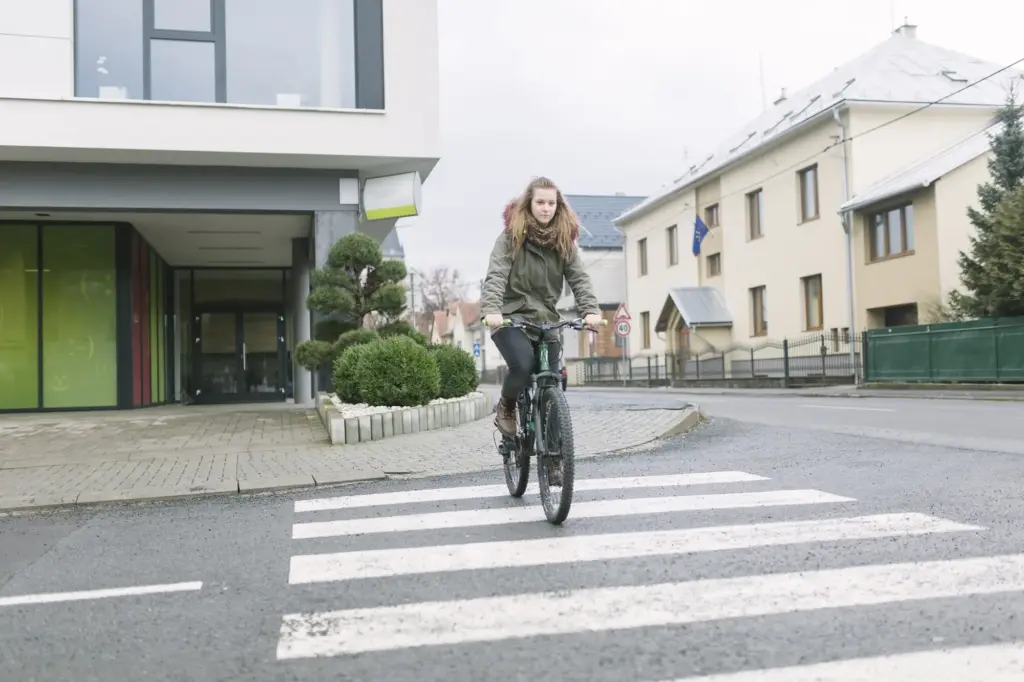
Great streets protect people while sparking delight. Tactical layouts strike this balance using daylit corners, high-contrast markings, and micro-places to pause or play. The surprise is how safety features can double as social magnets: planters frame shorter crossings, paint patterns guide turning drivers, and curb extensions host stools or bike racks. When people feel both secure and welcome, lingering follows naturally. That additional presence further slows drivers, creating a positive feedback loop where careful movement and neighborly vibes build on each other beautifully.

Coffee, Clipboards, and Chalk
Host walk audits with hot beverages and clipboards, encouraging storytelling at each corner. Ask about scary crossings, invisible driveways, and awkward deliveries. Then invite everyone to draw options right on the asphalt using chalk lines and temporary cones. Testing ideas in real space quickly reveals sightline conflicts and turning paths. Photograph iterations, gather quick votes, and agree on a pilot configuration. People leave feeling heard and energized, returning later with friends who add extra eyes, brooms, and brightly painted planters.
Kids Know the Shortcut
Children and teens reveal patterns adults overlook: midblock crossings to the park, skateboard lines, and scooter clusters near bumpy patches that slow cars. Set up kid-friendly mapping stations with stickers and colored dots. Offer reflective wristbands and let them test routes through a coned demo. Their joyful presence recalibrates driver behavior and reframes priorities. When the design honors youthful movement, parents relax, teachers cheer, and the neighborhood suddenly feels like it belongs to families again, not just hurried commuters passing through.
Permits, Policies, and Productive Rule‑Bending
Finding Allies Inside City Hall
Identify staff who care about safety outcomes and have authority to approve traffic control devices or curbside pilots. Share concise briefs that link your goals to adopted policies like Vision Zero, Safe Routes to School, or climate action. Emphasize low cost, reversibility, and clear monitoring responsibilities. Invite them to the site walk so constraints are visible in context. Recognize their effort publicly, building trust and pride. Partnerships that respect staff capacity move faster and survive leadership changes more gracefully.
Template Memos and Risk‑Minimized Pilots
Prepare ready-to-use documents: a standard pilot memo, a simple traffic management plan, volunteer safety guidelines, and an evaluation framework. Include signage lists, cone spacing tables, and setup diagrams. Specify durations, removal triggers, and maintenance routines. Clarify indemnification and insurance details if required. When your packet answers predictable concerns, legal review accelerates. The result is a replicable playbook that streamlines future efforts for other blocks, building a shared institutional memory where tactical projects are known quantities rather than nervous experiments.
Document, Iterate, Institutionalize
Treat the pilot like a mini research study. Capture conditions before installation, during the first week, and after adjustments. Publish a brief report with photos, data tables, and quotes from residents and drivers. Recommend permanent designs informed by observed behavior, not guesswork. When outcomes are strong, advocate for a standard detail in the city’s design manual. Institutionalizing the best pattern reduces future negotiation effort, allowing more blocks to benefit faster. Data-driven storytelling is your bridge from cones to concrete.
Measuring What Matters
Good projects replace hunches with humble, transparent evidence. Count conflicts, yielding rates, speeds, and person-throughput, not just vehicles. Track dwell time, storefront visits, and stroller friendliness. Pair numbers with stories from seniors, couriers, and students. Share raw data and methods so others can reproduce findings. When results are mixed, iterate live rather than defending missteps. Measurement is not a courtroom; it is a flashlight revealing what to refine. Clear, accessible metrics win allies, attract funding, and guide responsible permanence.
The Market Street Parking Day That Never Ended
A single pop-up parklet, born on a sunny Parking Day, grew into a weekly seating ritual. Cafes chipped in umbrellas, a florist added planters, and cyclists slowed to chat. After three months, yielding rates climbed and an injury hotspot faded. The city borrowed the layout for a pilot permit, tested winter materials, and secured capital funds for a real curb extension. What started as borrowed chairs and tape became a permanent edge that now hosts musicians, chess matches, and neighborhood holiday lights.
A School Arrival Zone Reimagined in Neon Tape
Parents, teachers, and crossing guards laid neon tape to draw wider walk pockets, daylight corners, and a short bus-only zone. Speeds dropped immediately during drop-off, and kids no longer darted between bumpers. Volunteers tracked delay for drivers and found minimal impact. With simple signage and painted curb extensions, conflicts evaporated. Months later, the district replicated the design at two more schools. The principal calls arrival time her favorite community moment, where safety and joy finally coexist, and neighbors linger to chat.
All Rights Reserved.