Small Changes, Big Pride on Every Block

Start Where You Stand
Free and Low-Cost Supply Sources
Start with local reuse warehouses, curbside giveaway days, and online free boards that list paint, pavers, planters, and lumber offcuts. Ask contractors about leftovers after jobs finish, and check hardware stores for discounted seasonal stock. Be polite, bring photos of your project, and explain the community benefit. People love supporting visible improvements, especially when the plan is clear and pickup is easy. Gratitude today often unlocks future donations and helpful introductions.
Reclaim, Refurbish, Rejoice
Breathe life into discarded benches, metal planters, and wooden signs with wire brushes, rust converter, primer, and durable exterior paint. Tighten hardware, replace missing slats, and add protective feet. Salvaged pieces carry stories and character that new items rarely match. Embrace small imperfections; they humanize shared spaces and reduce theft risk. Document transformations step by step to teach others. Every rescued object keeps money in your pocket and beauty on your block.
Tool Libraries and Shared Gear
Join or create a neighborhood tool library to access quality drills, sanders, saws, and post-hole diggers without personal expense. Establish a simple sign-out system, maintenance rules, and clear return deadlines. Label chargers and bits so sets stay together. Host quick demos for new users and collect small donations for replacements. Shared gear builds skills and friendships, reduces wasteful purchases, and ensures that momentum never stalls because someone lacks a specific tool.
Curb Appeal That Unites the Street


Public Spaces, Pocket Parks, and Pride
Funding, Grants, and Collective Hustle
The $500 Challenge
Crowdfund Without Burnout

Merchant Win-Win Deals
Measure Impact, Tell Stories, Keep Momentum
Traffic Calming and Safer Crossings on a Shoestring
Pop-Up Trials That Prove the Point
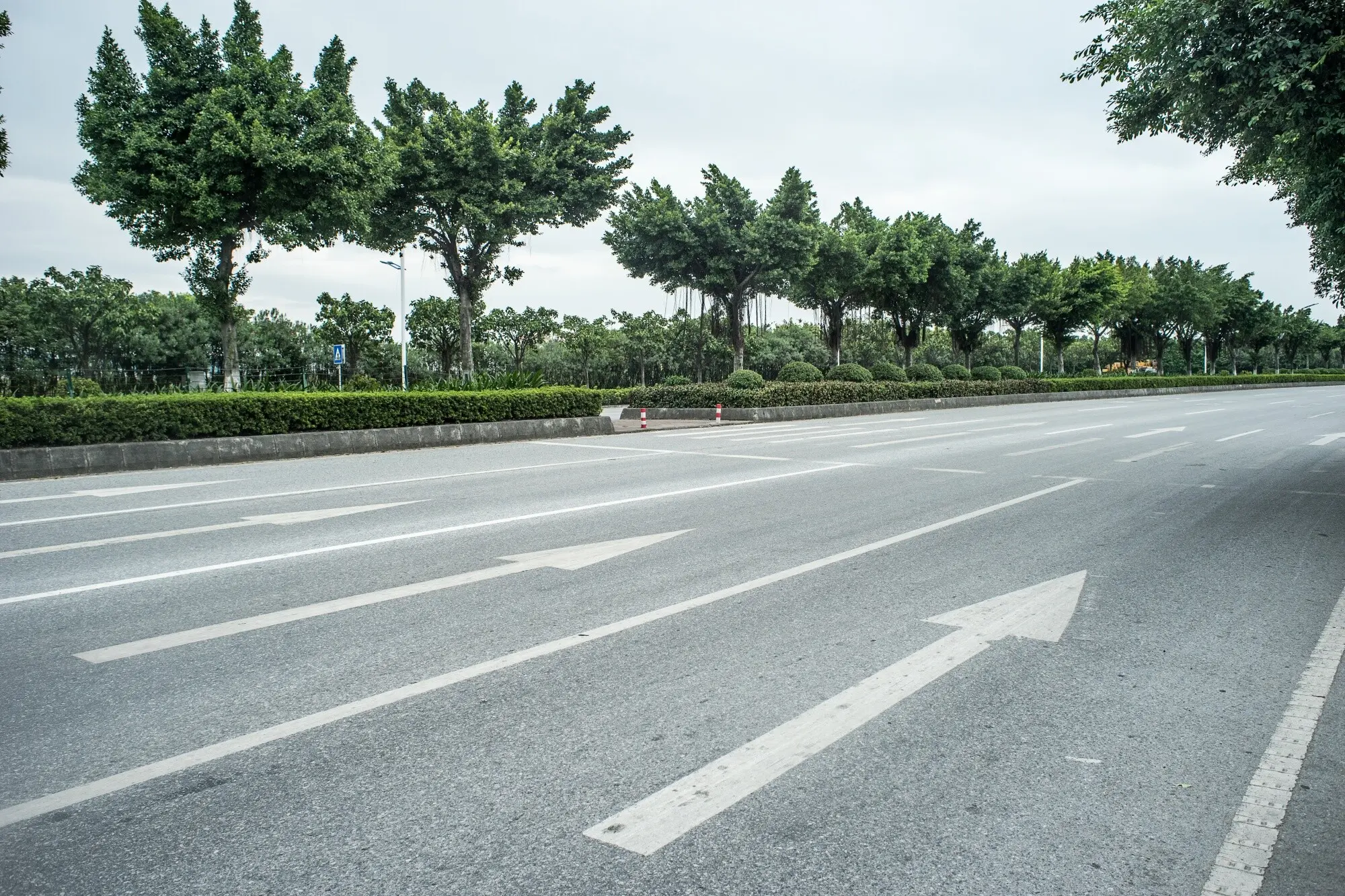
Stage a weekend test using chalked outlines, bright cones, and borrowed planters to tighten turning radii and shorten pedestrian crossings. Recruit crossing stewards and measure driver speeds before and after. Interview parents and cyclists. Photos and honest notes help refine the design. When people experience safer movement firsthand, skepticism softens. Clear results turn abstract safety debates into practical next steps supported by a broader coalition of neighbors.
Partnerships With City Staff
Reach out early with simple diagrams, a clear safety goal, and a schedule that avoids conflicts. Ask about standards, maintenance, and liability. Be ready to revise materials, add reflective elements, or adjust layouts near utilities. Share data openly and credit staff publicly. Respectful collaboration builds trust, unlocking approvals for future pilots. When agencies see a prepared, responsive neighborhood team, they become allies rather than gatekeepers, accelerating safer, smarter streets.
From Temporary to Enduring
Turn successful pilots into lasting fixtures by packaging results into a concise proposal with cost ranges, maintenance plans, and letters of support. Seek small capital grants, merchant contributions, or adopt-a-planter agreements for upkeep. Keep interim installations tidy while funding lines move. Celebrate incremental milestones so enthusiasm remains high. A careful path from cones to concrete ensures safety wins stick, budgets stay realistic, and neighbors remain proud co-authors of the transformation.

All Rights Reserved.